

The above ground parts of crops are constantly exposed to the air, so there is basically no need to worry about hypoxia. When the soil oxygen content decreases due to factors such as compaction, coverage, and excessive water, the roots of crops and microorganisms in the soil are prone to hypoxia.
Mild root hypoxia often manifests as fertilizer absorption barriers, stagnant root development, and lighter and darker overall leaf color above ground level;
Moderate to severe hypoxia in the root system can cause the root system to be unable to perform aerobic respiration normally. Anaerobic respiration can accelerate sugar consumption and produce a large amount of lactic acid or alcohol. On the one hand, it can cause the root system to quickly enter a sugar deficient state, reducing its growth ability and disease resistance; Secondly, the accumulation of a large amount of alcohol or lactic acid can lead to root toxicity, accelerating the rate of root cell death; The aerobic bacteria in microorganisms are mostly beneficial bacteria, such as Nitrifying bacteria, which can promote the formation of nitrate ions, Bacillus subtilis can fix nitrogen and resist stress, Bacillus megaterium can hydrolyze phosphorus, and jelly like Bacillus can hydrolyze potassium and activate trace elements. Under anoxic conditions, the activities of these beneficial bacteria are inhibited or even die; And most harmful bacteria such as Fusarium (root rot) are anaerobic microorganisms that can survive better under anaerobic conditions.
Root hypoxia often results in yellow leaves, stiff seedlings, root rot, slow growth, delayed development, lack of flowering or less flowering, and lack of fruiting or less fruiting. There are generally three types of root hypoxia.
picture
1. Water accumulation in soil causes hypoxia in crop roots
The high groundwater level of the plot or other reasons (such as irrigation of adjacent plots) cause the rise and overflow of groundwater to form soil ponding, or after continuous rain or heavy rainstorm, due to poor drainage of the plot, or excessive watering and irrigation water. These reasons can cause soil water to accumulate and all roots to be soaked in water for a long time, resulting in oxygen deficiency in the roots. The solution is to open ditches, filter water, and drain water.
picture
2. Acidification of soil causes soil compaction and hypoxia
The long-term use of chemical fertilizers, especially acid fertilizers, without the use of Manure, has resulted in the lack of Soil organic matter and soil hardening, especially in drought, making it difficult for the roots to breathe, resulting in oxygen deficiency. The solution is to apply more Manure, adjust the acidic soil with alkaline substances, and combine with intertillage to loosen the soil, so as to solve the air permeability of roots and improve the oxygen content of soil.
picture
3. Drought after rainstorm, soil hardening causes anoxia of crop roots
Especially in spring and summer, there is a lot of rain, heavy rain or rainstorm, which causes the formation of mud on the surface of the soil, increasing the density of the topsoil. After sun exposure in sunny days, the surface of the soil becomes a hard thick mud shell, causing poor air permeability of the root system. The solution is to loosen the soil during cultivation and increase the soil's air permeability.
picture
Oxygen releasing fertilizer refers to an oxygen-containing fertilizer applied to the soil to provide oxygen for plant roots and soil microbial respiration as its main function. The aerobic fertilizer also needs to be rich in nutrients to meet the requirements of crop nutrient absorption, and must not contain toxic and harmful substances, meeting the requirements of GB38400-2019. Oxygenated fertilizers are generally a type of fertilizer with high stability, long-lasting oxygen release, and environmental friendliness formed by a special peroxide reaction on oxygen-containing compounds. It can not only change the oxygen supply environment in the rhizosphere of crops, but also has a long fertilizer efficiency period, rich nutrition, and can promote the reproduction of aerobic microorganisms, improve the physical and chemical properties and biological activity of soil. It is a new type of environmentally friendly and healthy fertilizer.
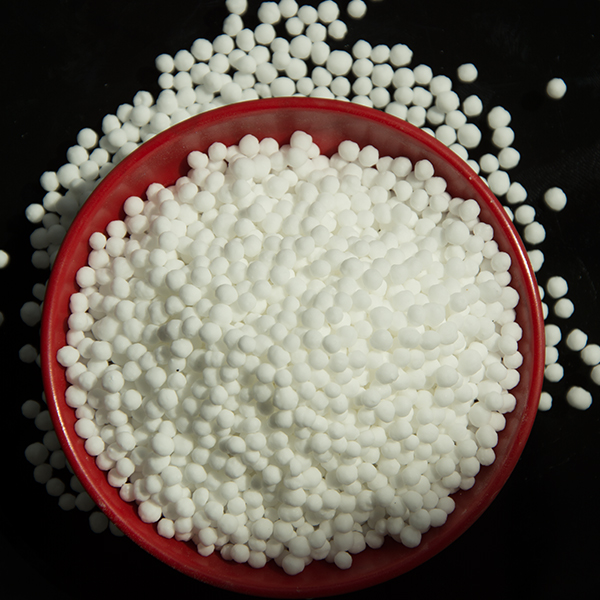
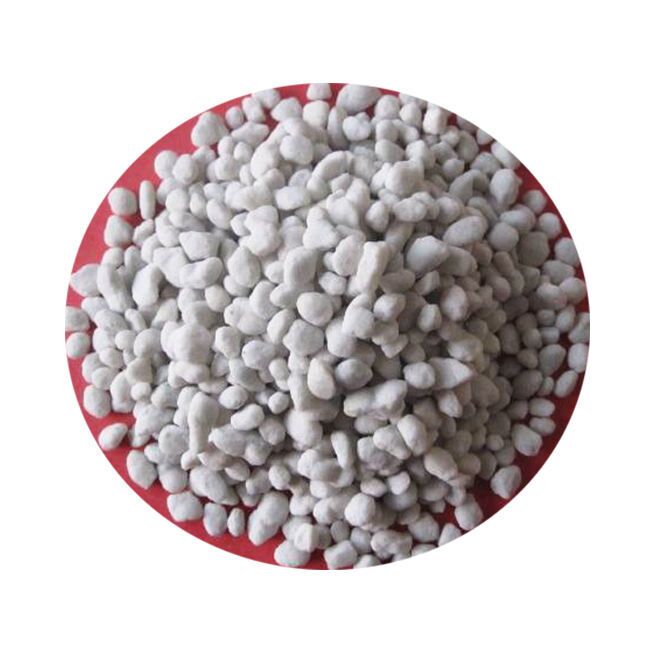
Compound Fertilizer, Monoammonium Phosphate, Nitrogen Fertilizer, Phosphate Fertilizer, Potassium Chloride, Potassium Fertilizer, Potassium Sulfate
